Smart Outdoor Design Tips for Compact Gardens and Courtyards
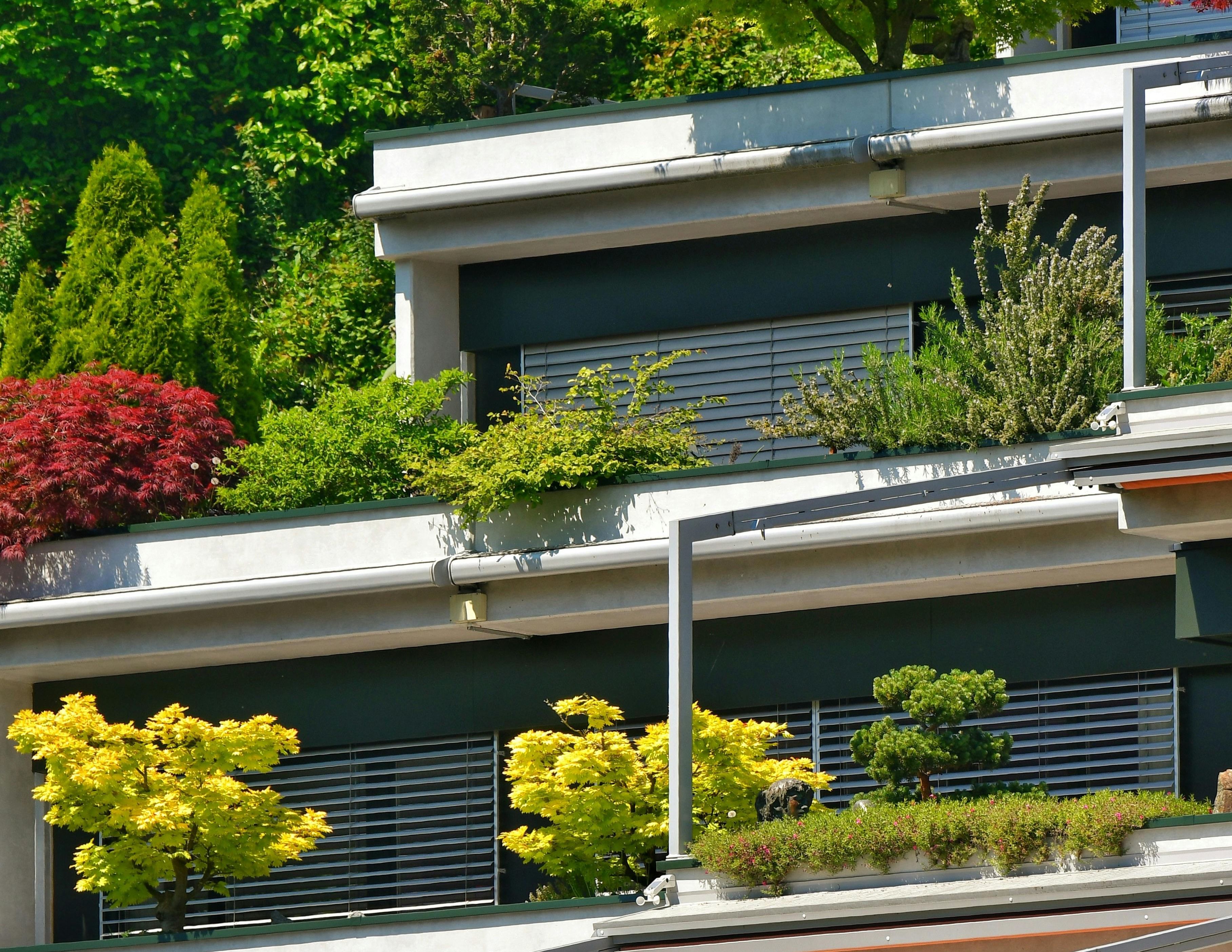
Small gardens have a funny way of showing your habits. Leave a corner empty and suddenly that’s where the chairs pile up. I’ve seen it happen more times than I can count.
When I first started helping design compact courtyards, I assumed people wanted the same things as larger gardens. Lawn. Big beds. Statement trees. Turns out most people just want somewhere nice to sit with a coffee. Or a glass of wine after work.
So that’s where I always begin. How does the space feel when you walk outside? Is there a comfortable spot to sit? Can you see greenery from the kitchen window? Little things matter more than grand landscaping ideas when space is tight.
One courtyard I visited in Sydney barely had room for a table. The owners were convinced nothing interesting could fit there. We moved the seating into a corner, added a vertical planting wall and suddenly the place felt twice as big. Same footprint. Totally different experience.
That’s the trick with compact gardens. You design around life, not around square metres.
Think Vertically and Let Plants Do the Work
Small spaces love height. Walls, fences and screens are opportunities, not limitations.
Climbing plants are brilliant for this. Native jasmine, hardenbergia and even espaliered citrus can turn a plain fence into something alive. And once they settle in, they soften the whole courtyard. Harsh edges disappear.
I remember a client who insisted their courtyard felt like a concrete box. Fair enough. Tall fences, grey pavers, not much personality. We added three vertical trellis panels and planted native climbers. Six months later the walls were covered in green. The courtyard suddenly felt like a tiny urban oasis.
Bees love it too.
Pollinator friendly planting is something I’ll always advocate for. Even a small courtyard can support bees if you choose the right plants. Grevillea, westringia, native thyme. Nothing complicated. Just flowers that offer nectar across the seasons.
And the bonus? You don’t need massive garden beds. A few raised planters or deep pots will do the job nicely.
Create Zones Even in the Smallest Courtyard
People hear the word "zone" and imagine sprawling backyards. But zoning works even better in small spaces.
A courtyard might only be six metres wide. Still plenty of room to break it into useful areas.
One spot for sitting. One area for plants. Maybe a small water feature. Suddenly the garden has structure. Your brain reads it as larger because each part has a purpose.
I once worked on a tiny courtyard in a townhouse complex. The owners wanted space for plants, somewhere to relax and a cooling feature for summer. It sounded ambitious. The solution was simple. A corner seating nook, raised planting along one side, and a small concrete plunge pool tucked into the far edge.
Not huge. Not fancy. Just clever placement.
The result felt calm. Balanced. And honestly, far more luxurious than the size suggested.
Choose Materials That Make the Space Feel Bigger
Hard surfaces dominate most compact gardens, so the materials you choose matter more than you might expect.
Light coloured paving reflects light and opens the space visually. Large format pavers help too. Fewer grout lines means less visual clutter.
Texture also plays a role. Timber screens, stone planters, soft planting layers. They add depth without overcrowding the area.
I’ve made the mistake of over designing before. Too many features. Too many materials competing with each other. The courtyard felt busy and cramped.
Lesson learned.
These days I keep things simple. Two or three materials max. Let plants bring the movement and colour.
Design With Community Spaces in Mind
Compact gardens often sit inside apartment blocks or townhouses, so the outdoor areas aren’t always fully private. Sometimes you’re designing beside neighbours or within a shared garden environment.
That changes things.
Durability becomes important. So does layout. Plants need to handle foot traffic and occasional neglect. It’s just reality.
I once worked on a courtyard that connected to a larger communal space. The owners loved gardening but the wider area needed to stay manageable for the building managers handling strata maintenance. The solution was layered planting along the private courtyard edges with tougher, low care species in the surrounding beds.
It kept the personal garden lush while the broader landscape stayed practical.
Not glamorous advice. But practical design often wins.
Leave Room for Plants to Grow
Here’s something people forget all the time. Plants grow.
Sounds obvious, right? Yet I constantly see courtyards planted too tightly because the garden looks sparse on day one.
Give plants breathing room. A grevillea that looks small today could double in size within a couple of seasons. When they mature, the garden fills out naturally and feels softer.
Be patient.
Gardens reward patience in ways quick landscaping never will.
I remember revisiting a courtyard about three years after we finished it. At the start it looked neat but a bit minimal. Three years later the native plants had filled every gap. Bees buzzing. Shade creeping across the seating area in the afternoon.
The owners joked that the garden finally felt like it belonged there.
And that’s the goal with compact outdoor spaces. Not perfection. Just a garden that grows into its place.