How to Create a Garden That Keeps Children Engaged Away from Screens
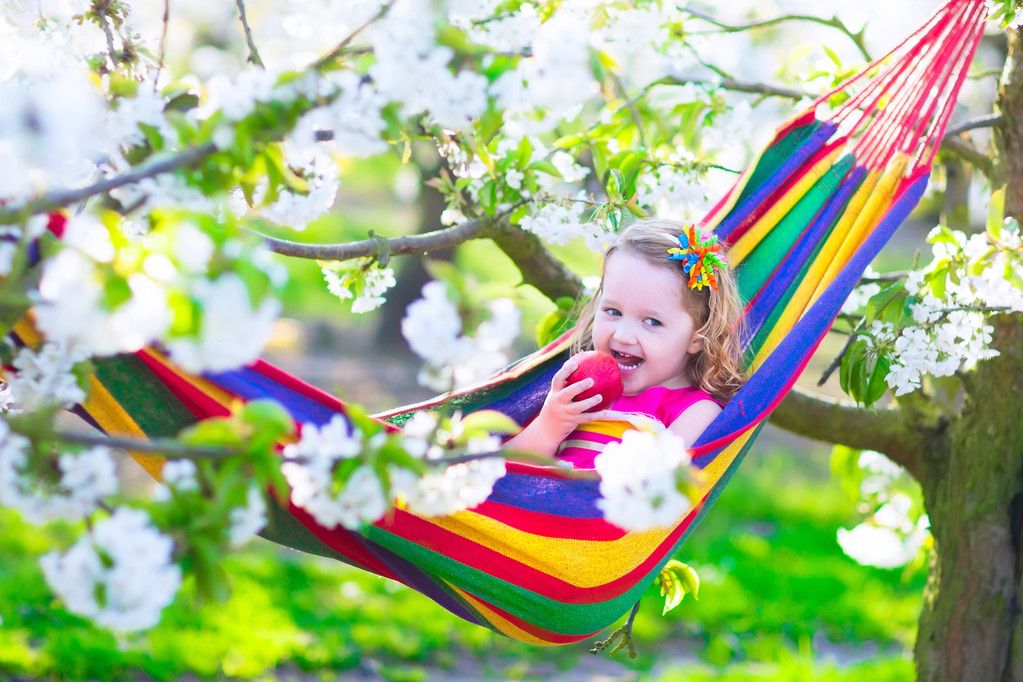
Screens win because they’re easy. Tap once and entertainment appears instantly. Nature asks for patience, curiosity, and sometimes a little dirt under the nails. Yet something interesting happens when outdoor spaces feel inviting enough. Children forget about devices without being told to put them away.
The difference usually comes down to intention. A yard filled with random plants rarely holds attention for long. A space designed with discovery in mind does. The last time a landscape designer spoke about family gardens during a community workshop, one point stood out clearly. Kids stay where something keeps changing. Movement, texture, and surprise matter more than perfection.
Creating that kind of environment starts when families choose to build a garden that feels alive rather than decorative. Bees drifting between flowers. Leaves rustling overhead. Paths that lead somewhere unknown. Suddenly the backyard becomes more interesting than a screen.
Spaces Made for Exploration
Children don’t interact with gardens the way adults do. Adults admire. Kids test boundaries. They climb, dig, invent stories, and sometimes redesign landscaping without permission. That energy needs room.
A winding pathway works better than a straight one. Hidden corners spark imagination. Stepping stones encourage movement. Even a patch of native grasses can become a jungle during an afternoon adventure. One parent once admitted frustration after installing a perfectly manicured lawn that no one used. The moment logs, rocks, and uneven planting zones were introduced, outdoor play doubled within weeks.
Pollinator-friendly planting plays a quiet but powerful role here. Bees, butterflies, and birds create motion that draws attention naturally. Watching nature unfold becomes entertainment on its own. No batteries required.
Nature Play Beats Structured Play
Structured play equipment has its place, but open-ended environments last longer. Children invent new games every day when the garden allows flexibility. A shaded area becomes a café one afternoon and a campsite the next.
Outdoor gatherings often reveal this shift clearly. During a neighborhood celebration, adults focused on seating and food while children gravitated toward open lawn areas where ride-on toys and kids cars moved freely between garden beds. The space worked because it allowed imagination instead of directing it.
Gardens that encourage loose play tend to stay relevant as children grow. A digging zone for younger kids eventually turns into a planting area or wildlife corner. The garden evolves alongside the family.
Sensory Gardens Keep Attention Longer
Touch matters. So does smell. Sound too. Screens stimulate mostly sight and hearing, while gardens engage the whole body.
Soft herbs release fragrance when brushed against. Gravel crunches underfoot. Flowering natives attract insects that hum quietly through the afternoon. These small sensory moments anchor attention in ways digital experiences rarely can.
A horticulturist once shared an opinion that still resonates. Children remember how a place feels more than how it looks. Gardens designed around sensory interaction tend to pull kids outside repeatedly, even without encouragement.
Water features help as well. Nothing elaborate. A shallow bird bath or gentle drip system creates movement and curiosity. Watching wildlife visit becomes a daily ritual.
Designing for Social Moments
Modern home gardens often serve double duty. Quiet retreats during the week. Social spaces on weekends. Children notice this energy shift and respond to it.
Event-ready gardens naturally invite participation. Open lawns, shaded seating, and clear walking zones allow celebrations without damaging planting areas. During family parties, interactive setups sometimes appear alongside greenery, including entertainment additions like mirror photo booth hire installations placed near flowering backdrops. Kids move between play and nature seamlessly when both exist in the same environment.
The garden becomes part playground, part memory maker.
Encouraging Ownership and Responsibility
Engagement deepens when children feel responsible for something living. A small planting patch works wonders. Herbs grow quickly, which helps impatient gardeners stay motivated. Watching seeds sprout creates genuine excitement.
One landscape consultant once noticed a reluctant child become fascinated after being assigned watering duties for native flowers attracting bees. Responsibility turned into pride almost overnight. The connection stuck.
Gardens don’t need to be large to succeed. They need purpose. A sense that something important happens there every day.
Letting Imperfection Lead
Perfect gardens rarely inspire play. Slightly messy ones do. Fallen leaves invite exploration. Wildflower patches attract insects. Uneven edges signal freedom rather than restriction.
Children engage longer when rules feel relaxed. Mud happens. Plants get stepped on occasionally. That’s part of the process. Growth rarely looks tidy.
A living garden shifts constantly, offering new discoveries with each season. And when curiosity replaces screen time, something quieter develops. Patience. Observation. Wonder.
Not forced. Just naturally growing alongside the garden itself.